- CNGBS B2B
- 公司介绍、新闻动态、展会活动等信息
- 工博士网
- 工博士-智能制造供应链、FA工厂自动化、MRO工业品一站式采购平台

On June 8, 2021, the "Intelligent Creation for the Future, Grand Vision for Hongqiao" themed 2021 Artificial Intelligence and Robotics Development and Innovation Forum was held in Shanghai. The forum was jointly guided by the Shanghai Municipal Science and Technology Commission, the Shanghai Federation of Industry and Commerce, the Administrative Committee of the Shanghai Hongqiao Business District, the Jiading District People's Government of Shanghai, and Shanghai Jiao Tong University. It was co-hosted by the Jiangqiao Town People's Government of Jiading District, Shanghai, the Shanghai Artificial Intelligence Technology Association, and the Science and Technology Chamber of Commerce of the Shanghai Federation of Industry and Commerce. The event was co-organized by North Hongqiao Economic City, CNGBS Robotics Technology Co., Ltd. (referred to as CNGBS), OrionStar, and Shanghai Debi Cultural and Creative Industry Development (Group) Co., Ltd. (referred to as Debi Group).
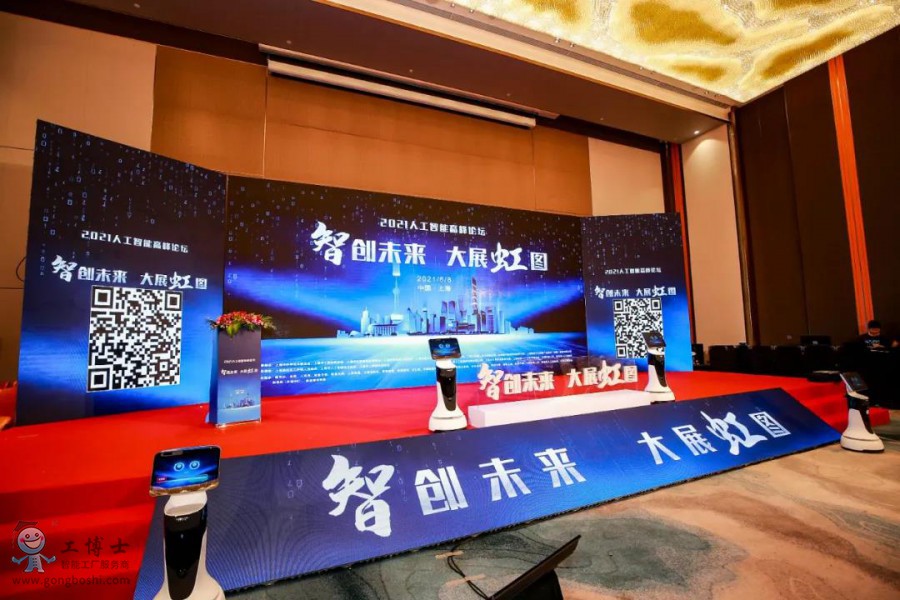
The forum invited over 300 distinguished guests, including Academician Shen Xuechu, a physicist and leading figure in solid-state spectroscopy from the Chinese Academy of Sciences; Li Feng, Deputy Head of Jiading District People's Government; Feng Songlin, former President of the Shanghai Advanced Research Institute, Chinese Academy of Sciences; and Fu Guoqing, Deputy Director of the Shanghai Municipal Science and Technology Commission. Participants shared their diverse experiences and case studies within the industry, aiming to jointly accelerate the development of the artificial intelligence sector and foster the continuous rise of new economies and industries. Concurrently, the forum aimed to attract leading industry enterprises to sign projects and establish a presence in North Hongqiao, forming a dominant industry cluster and driving local economic development.
Feng Songlin, former President of the Shanghai Advanced Research Institute, Chinese Academy of Sciences, Chairman of the Shanghai Electronics Society, and Chairman of the 4th Shanghai Artificial Intelligence Conference, delivered a speech.
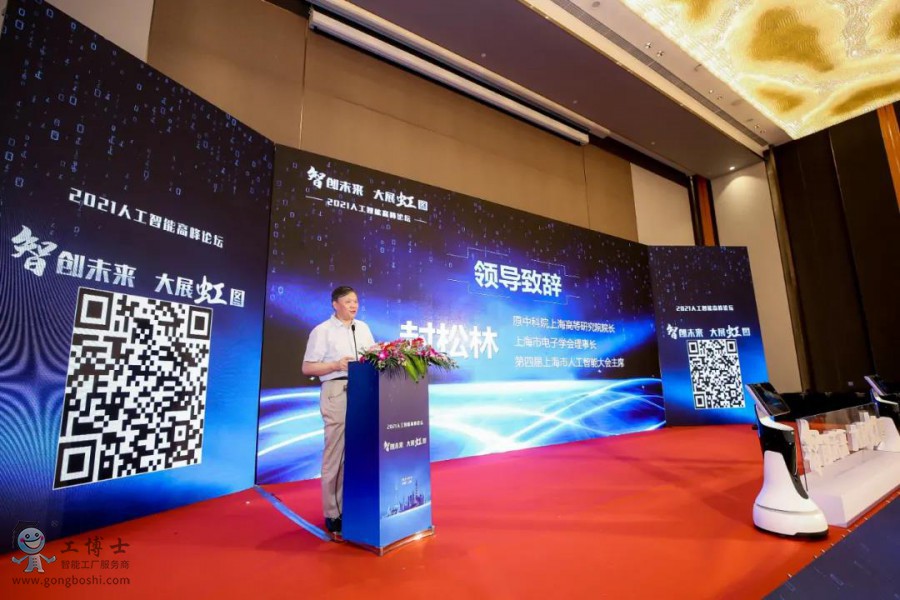
Feng Songlin shared his views on the global and Chinese robotics markets, the development of AI robotics technology, future forms of robots, robot-related legislation, and local government policies concerning robots.
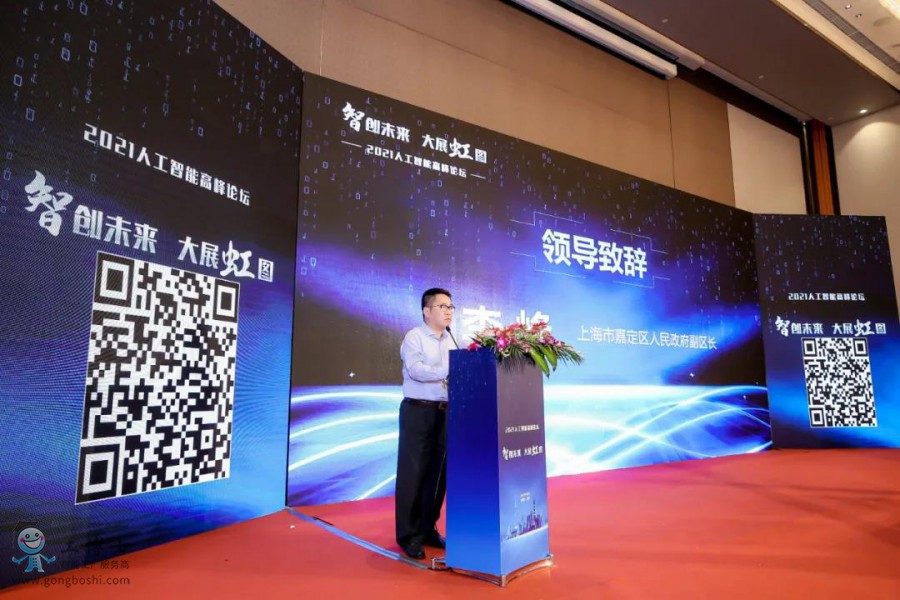
In his address, Li Feng stated that Jiading District consistently lists AI and intelligent manufacturing as key focal points. He emphasized the significant role of artificial intelligence for the Hongqiao open hub, advancing manufacturing towards higher-end sectors, and transforming enterprise structures.
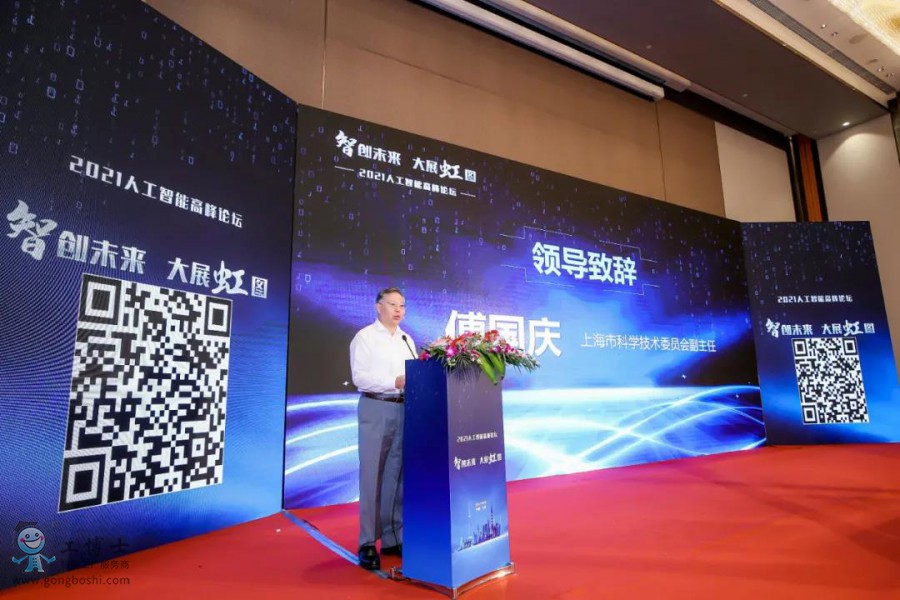
In his speech at the conference, Fu Guoqing expressed that AI technology is one of the crucial technologies for China's modernization, national revitalization strategy, and leading technological transformation. He noted that Jiading, as one of the five major new cities, would see robotics and AI become one of the most significant driving forces for its development.
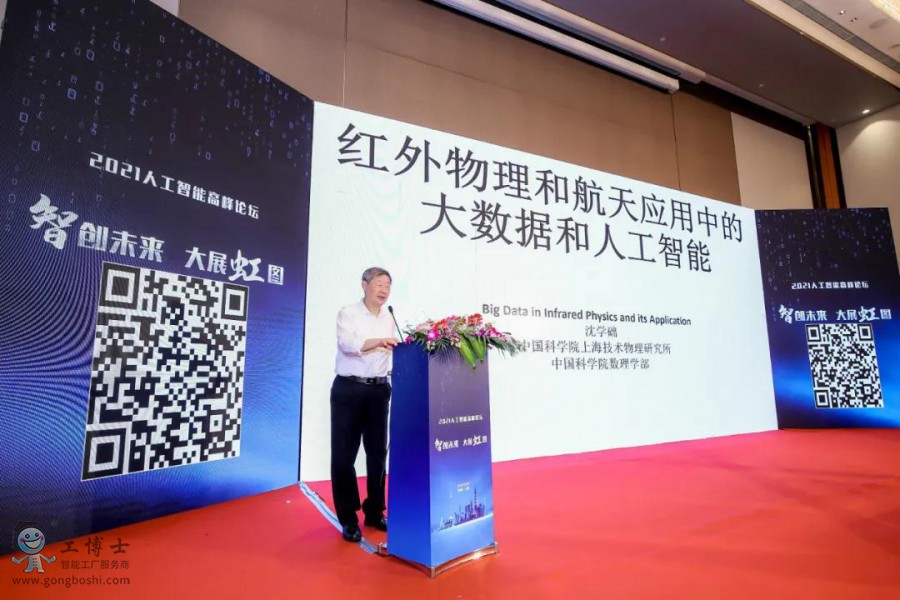
In his speech, Academician Shen Xuechu stated that AI technology is still in its early stages, with human intervention remaining dominant. However, with continuous technological advancement, AI is constantly innovating. Therefore, cultivating AI talent will become a strategic priority. Academician Shen also discussed the advantages and potential drawbacks AI could bring to his field of spectroscopy research.
Following this, the forum proceeded with a strategic cooperation unveiling and signing ceremony. Guided by the directive from Secretary Li Qiang to accelerate the construction of Shanghai's "AI Highland," and to seize the new opportunities presented by AI as a strategic technology, core driver, and for social development, North Hongqiao collaborated with the Shanghai Artificial Intelligence Technology Association and the Science and Technology Chamber of Commerce of the Shanghai Federation of Industry and Commerce to establish the "Shanghai Artificial Intelligence Technology Association - North Hongqiao Industry Innovation and Incubation Base" and the "Science and Technology Chamber of Commerce of Shanghai Federation of Industry and Commerce - North Hongqiao Industry Innovation and Incubation Base."
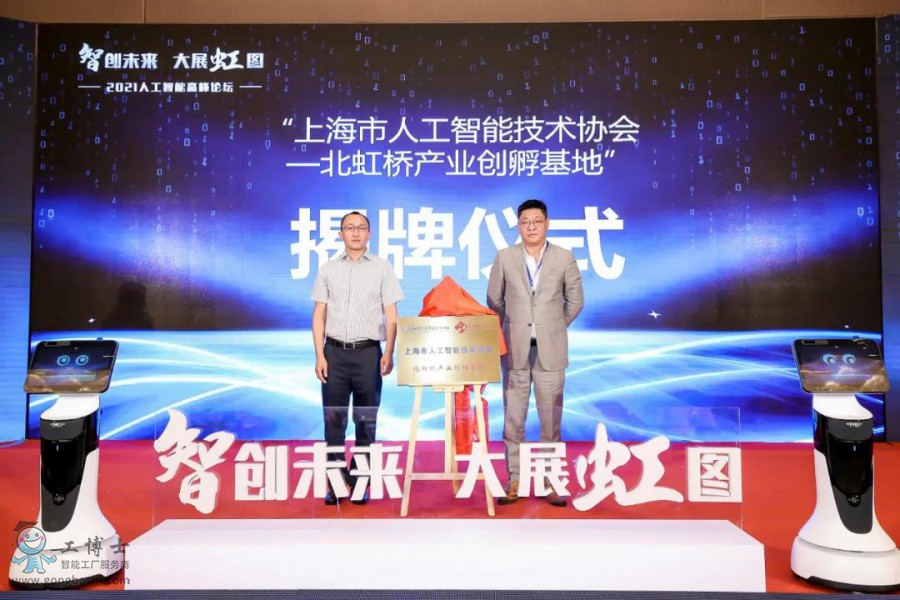
Xu Lei, Deputy Secretary of the Party Committee and Head of Jiangqiao Town People's Government in Jiading District, Shanghai, and Mr. Zhang Haidong, President of the Shanghai Artificial Intelligence Technology Association, jointly unveiled the "Shanghai Artificial Intelligence Technology Association - North Hongqiao Industry Innovation and Incubation Base."
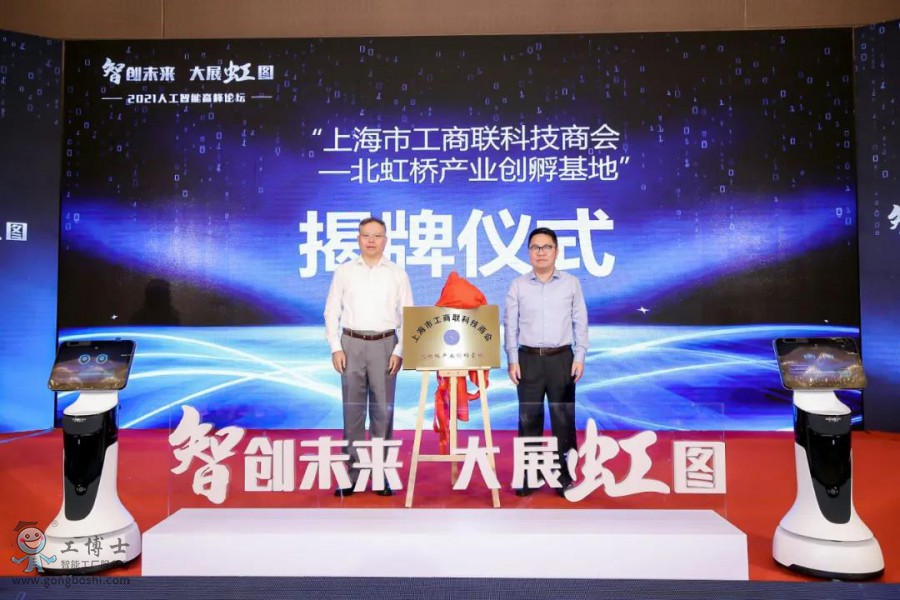
Mr. Fu Guoqing, Deputy Director of the Shanghai Municipal Science and Technology Commission, and Mr. Li Feng, Deputy Head of Jiading District People's Government, jointly unveiled the "Science and Technology Chamber of Commerce of Shanghai Federation of Industry and Commerce - North Hongqiao Industry Innovation and Incubation Base."
After the strategic cooperation unveiling and signing ceremony, the forum moved into the "The Future is Here" keynote speech segment.
First was Fu Sheng, Chairman of Beijing OrionStar Technology Co., Ltd.
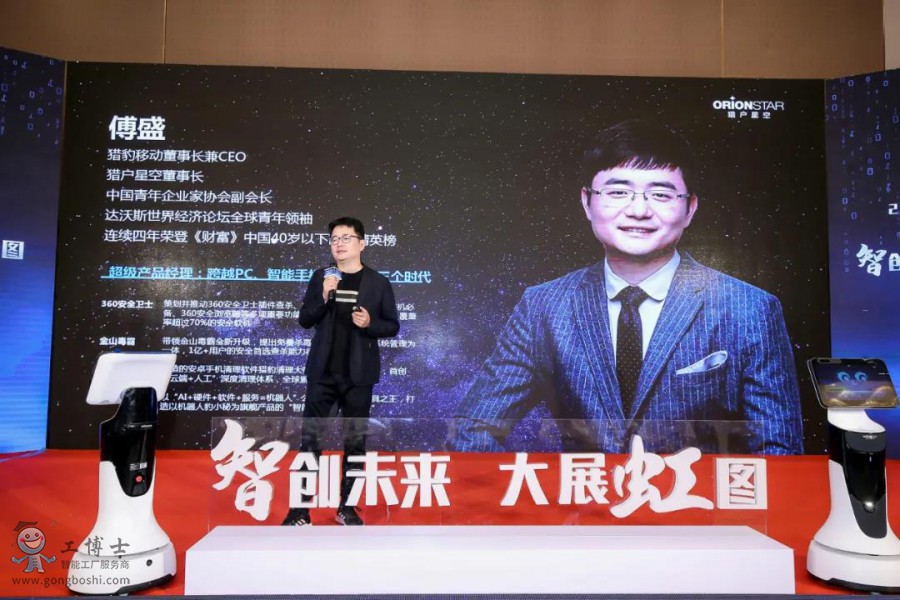
Fu Sheng stated that artificial intelligence has now permeated all layers of society. When AI technology undergoes transformation, industries and society will change due to shifts in underlying demands.
Jia Bo, Chairman of Shanghai Debi Group.
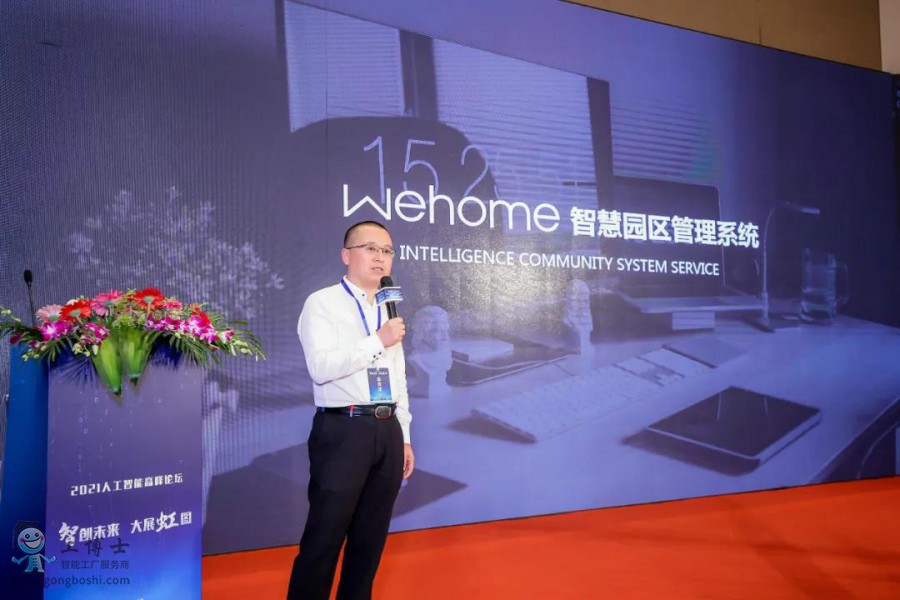
In his speech, Jia Bo indicated that currently, Jiading is a hub for Shanghai's AI industry. Enterprises within its parks will continuously utilize AI to build intelligent parks, a trend that will become prevalent across all parks.
Mr. Shen Xiaopeng, CEO of CNGBS.

At the conference, Shen Xiaopeng expressed his belief that for AI to serve robots in the future, it is first necessary to continuously collect data through the Internet of Things. This collected data can then be used to optimize non-standard products, create personalization, and enable all enterprises to use customized robots.
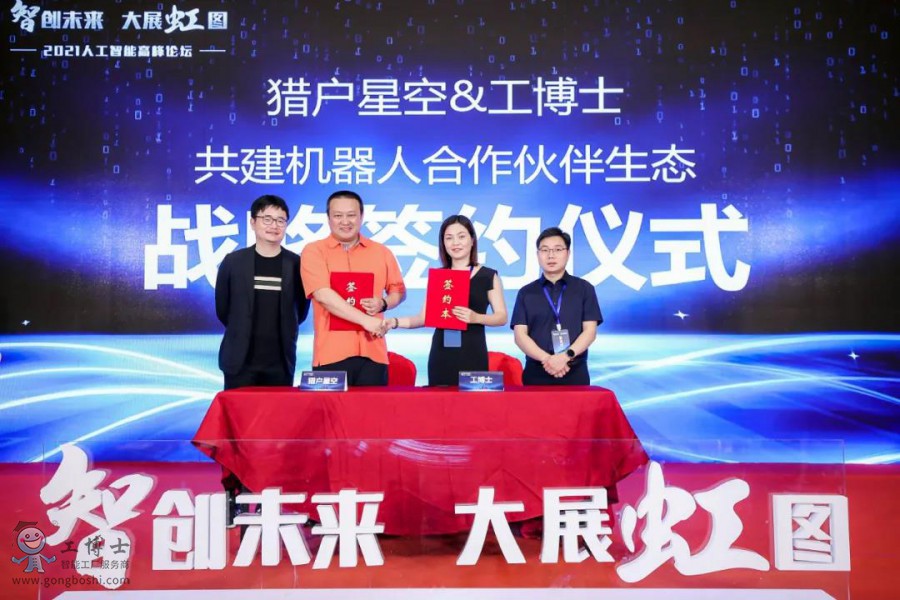
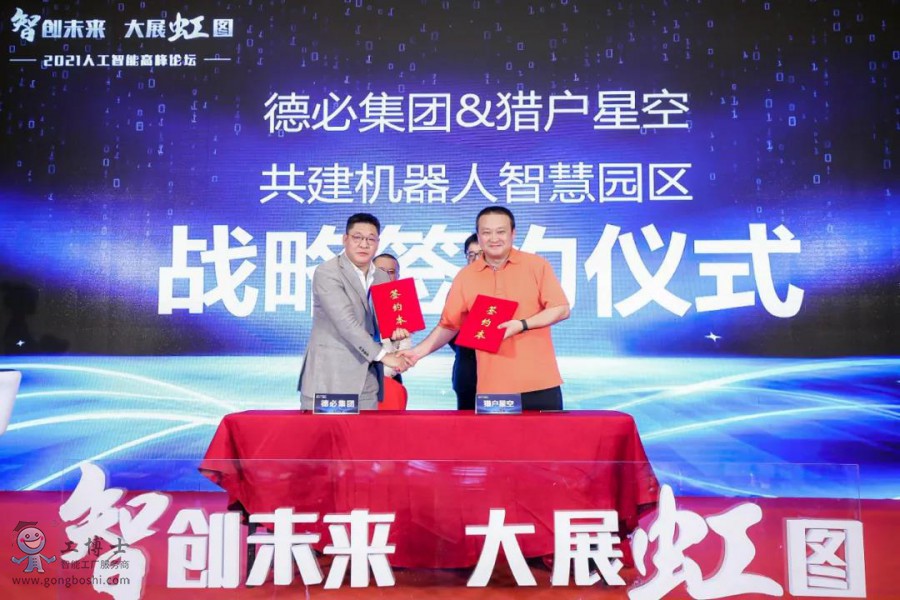
Following the keynote speeches, signing ceremonies were held: OrionStar with Debi Group, and CNGBS with Debi Group, to jointly establish and implement the "Smart Park" project.

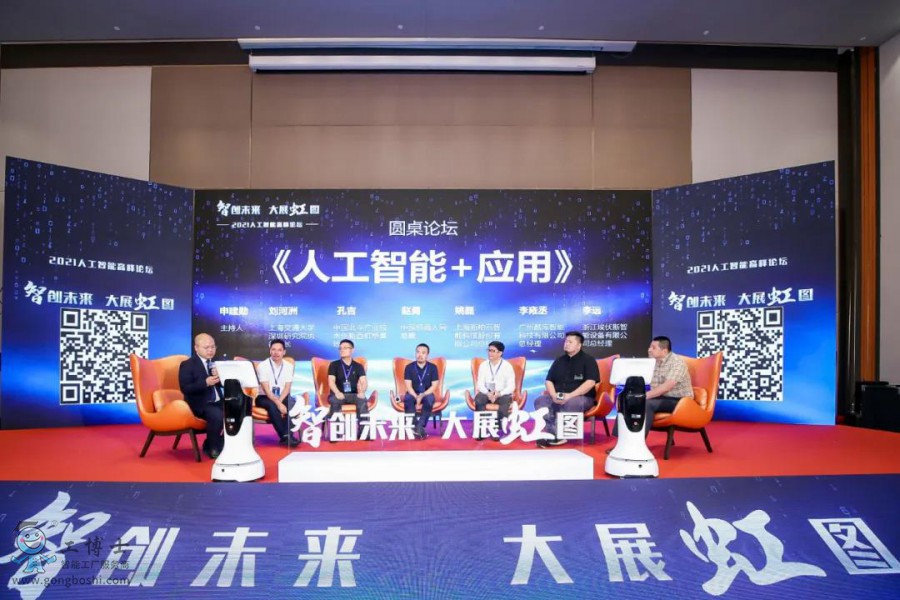
Subsequently, industry leaders shared insights on the application of AI and robotics technologies. They discussed and provided answers on topics such as "the competitiveness and development trends of the future robotics industry," "the current state of the AI technology market," "how to better integrate Chinese robots and other high-end equipment with the Chinese market for common development and even global expansion," and "how enterprises in the AI field can break through in upgrading from traditional manufacturing to intelligent manufacturing."
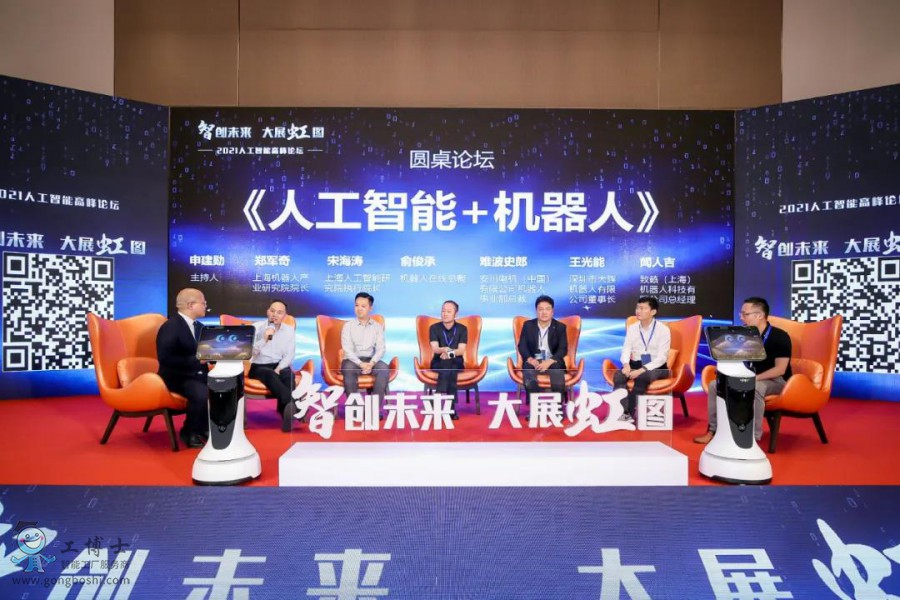
First Panel Theme: "Artificial Intelligence + Applications"
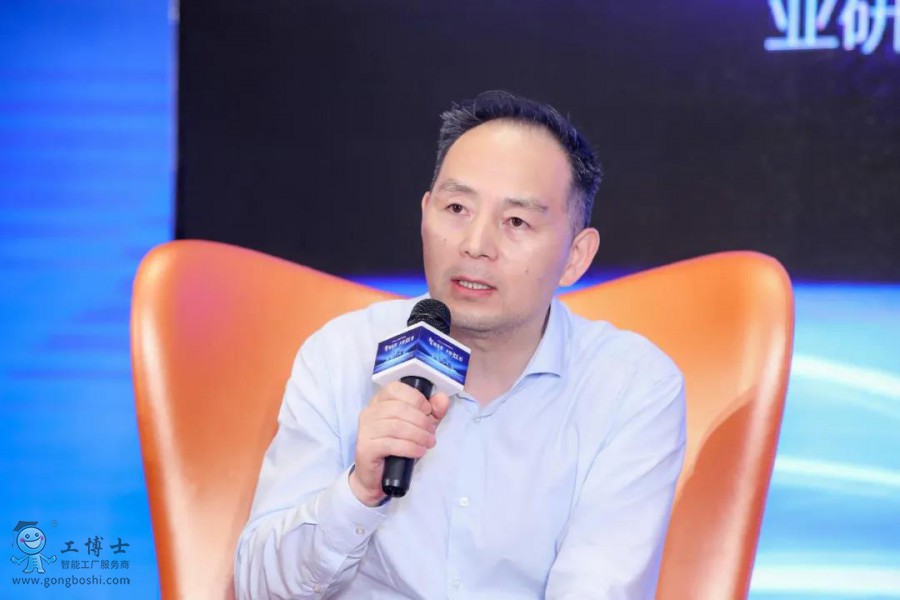
Zheng Junqi, President of the Shanghai Robotics Industry Research Institute, addressing issues like "homogenization in the robotics industry," stated that from a macro perspective, the market is constantly innovating. The future development trend of AI robots still requires solving more problems.
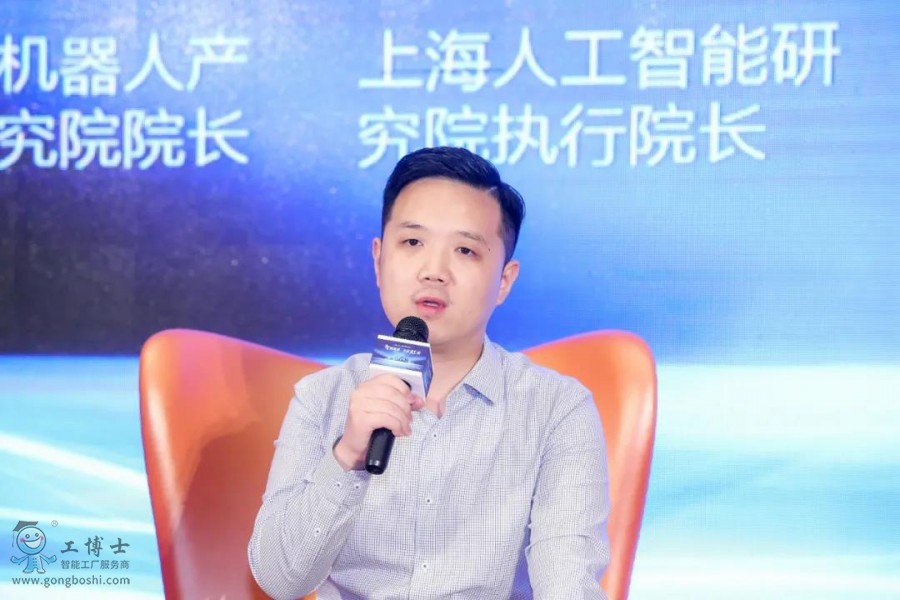
Song Haitao, Executive Dean of the Shanghai Artificial Intelligence Research Institute, discussing topics like "development barriers and sustained dividends in AI technology," noted that China possesses the world's largest number of AI application scenarios. The country only needs to solve the bottleneck issues in key technologies and continuously develop the software ecosystem in the future to realize these application scenarios.
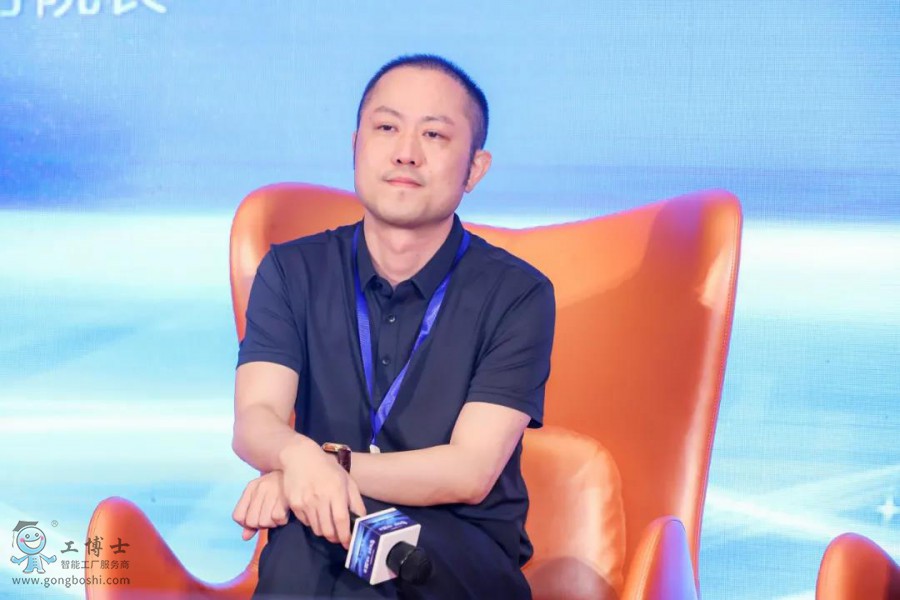
Yu Juncheng, speaking on topics like "the next hotspot for robots," mentioned that robotic 3D vision is finding increasing applications in industries like healthcare, manufacturing, and services. In the future, there is a need to integrate robotic 3D technology with service robots to adapt to multiple scenarios, collect data, and feed it back to industrial robots to solve more complex problems.
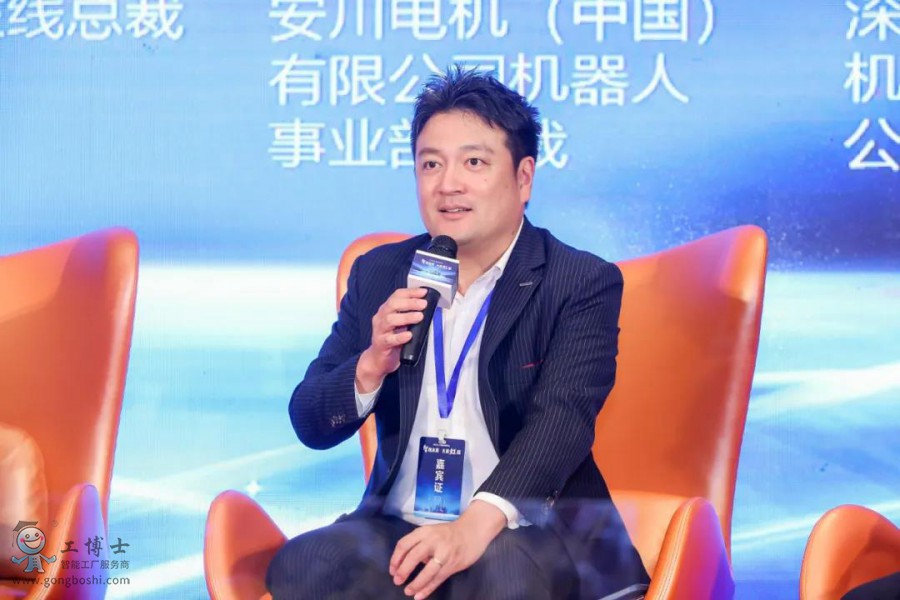
Shiburo Namba, President of the Robotics Division, Yaskawa Electric (China) Co., Ltd., addressing questions like "what strategic layout will Yaskawa robots have? What actions will Yaskawa robot manufacturers take to advance AI development?" proposed digital solutions. He expressed hope to jointly manage and solve business problems with customers, stating that the key to an AI factory lies in sequence and precision, which involves the integration and intelligent processing of data, with feedback to the production site. Achieving this solution requires Yaskawa to improve factories through IT feedback for enhanced precision.
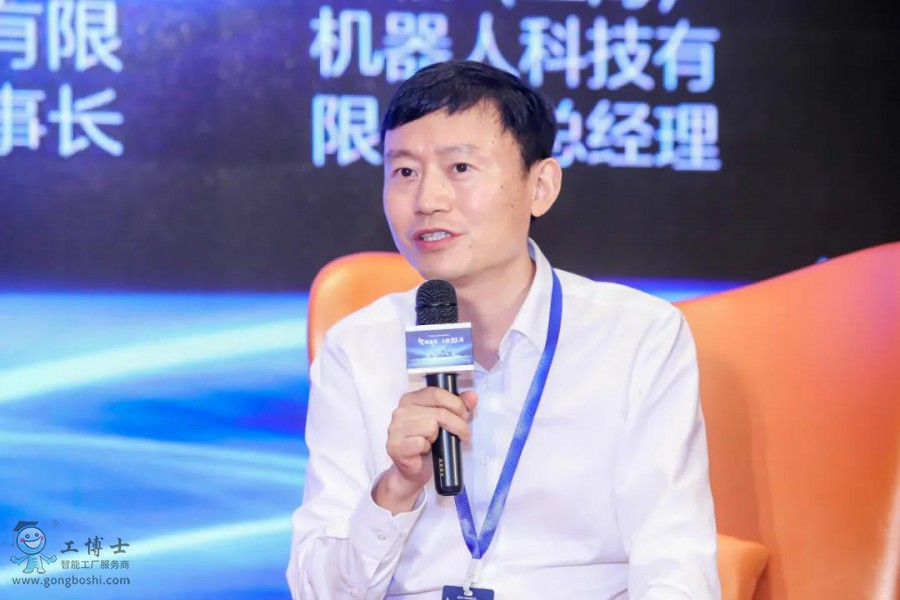
Wang Guangneng, Chairman of Shenzhen Dazu Robot Co., Ltd., discussing "how to integrate the characteristics of Chinese AI and robotics to become a steadfast supporter of Chinese manufacturing, especially high-end equipment? How to make Chinese robots and other high-end equipment better integrate with the Chinese market for common development and even global expansion?" stated that this requires robots to solve problems related to usability, durability, and cost. He also expressed hope that through AI technology, robots could be created that can be used without requiring engineers.
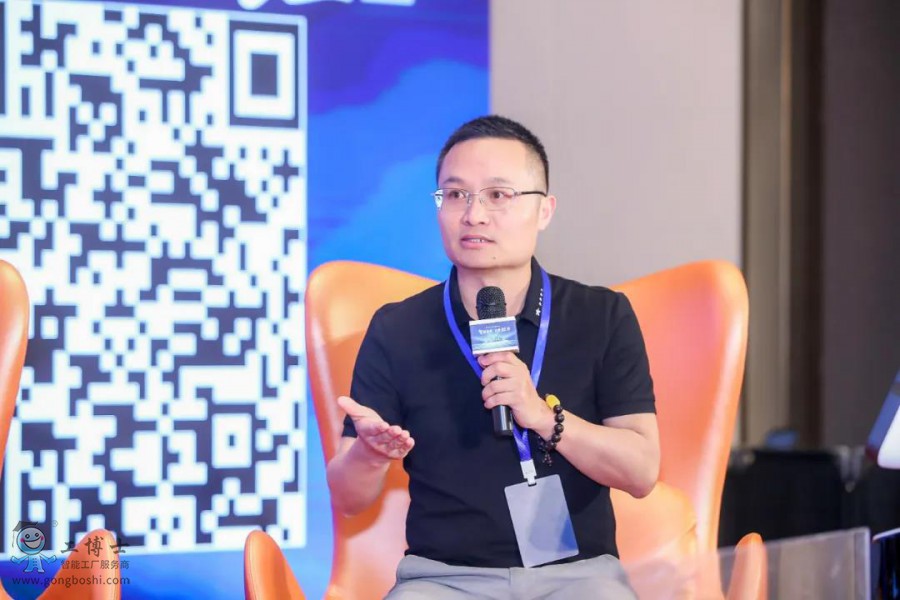
Wen Renji, General Manager of Zhilai (Shanghai) Robot Technology Co., Ltd., addressing "where is the path for transformation or innovation for high-end manufacturing enterprises? How can enterprises in the AI field break through in upgrading from traditional manufacturing to intelligent manufacturing?" stated that automation can solve deterministic problems in enterprise transformation, while AI can address the uncertain ones. Upgrading traditional enterprises to intelligent manufacturing involves continuously discovering new manufacturing scenarios. For example, in the catering industry, services may currently only exist on the delivery end, while the back kitchen represents an entirely new manufacturing scene.
Second Panel Theme: "Artificial Intelligence and Robotics"
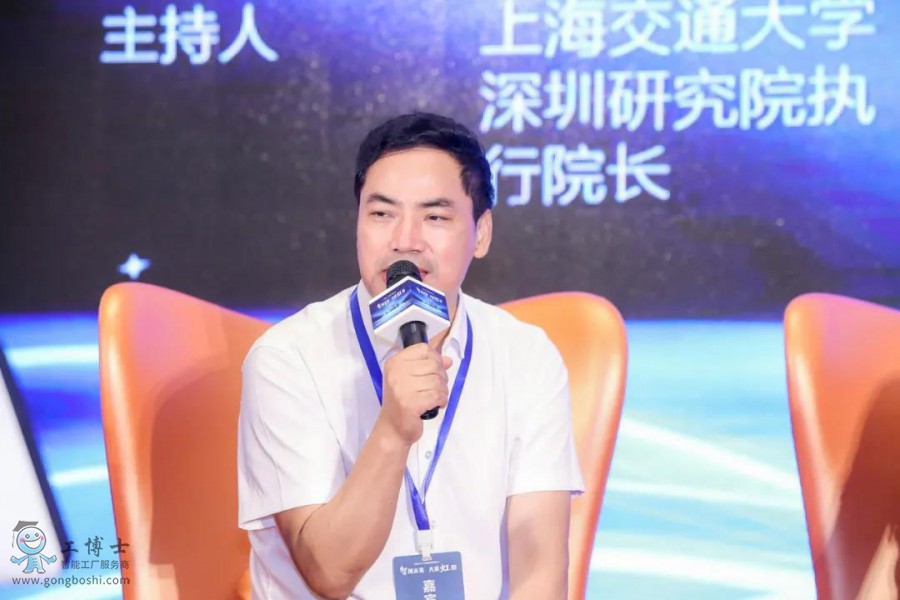
Liu Hezhou, Executive Dean of the Shanghai Jiao Tong University Shenzhen Research Institute, stated that the foundation for achieving future AI lies in the development of its hardware. Future materials and computing power will become crucial elements. Simultaneously, it is necessary to continually develop AI thinking within universities and build a talent reserve for the future.
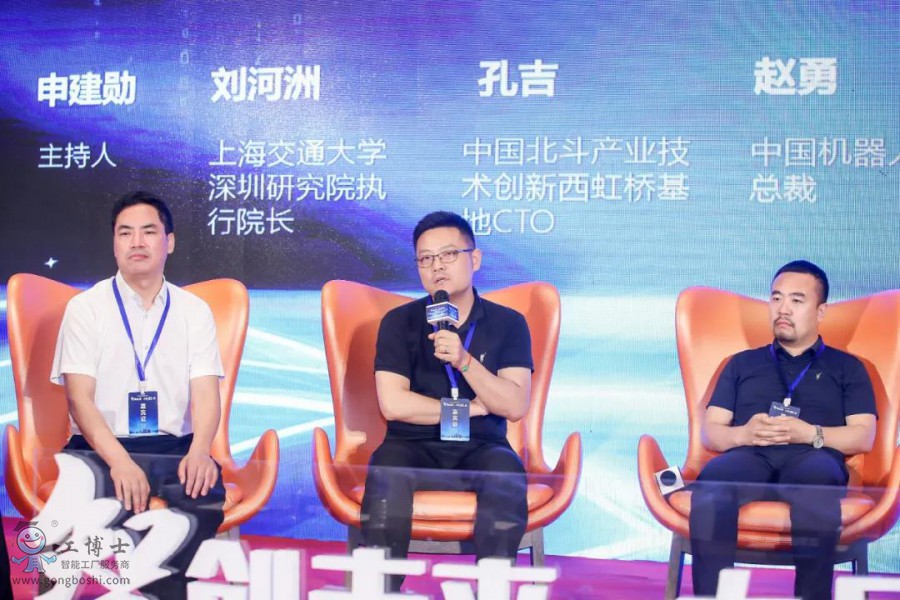
Kong Ji, CTO of the China Beidou Industrial Technology Innovation Xihongqiao Base, stated that as a representative of GPS technology development, Beidou will provide maximum support for AI in the future, focusing on data, timing, and navigation.
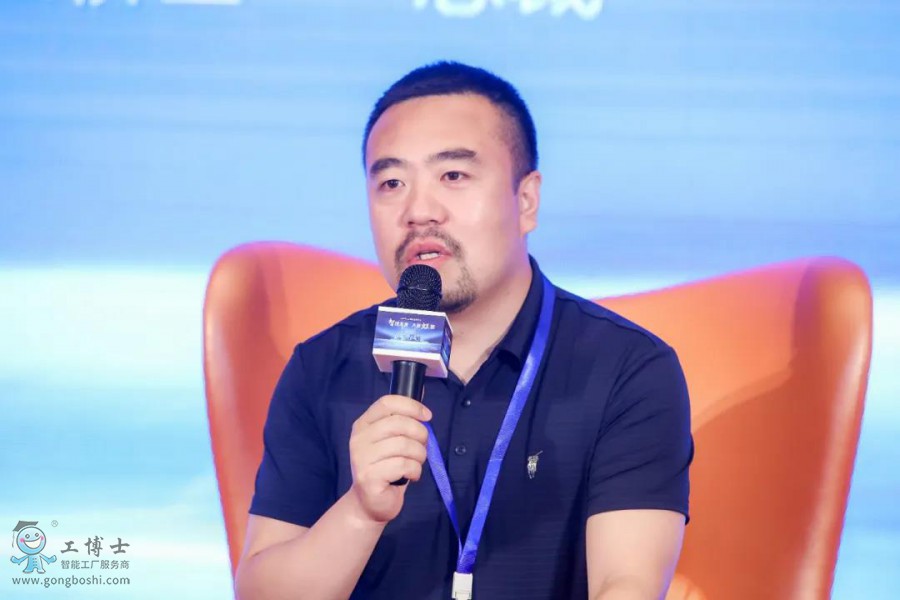
Zhao Yong, President of China Robotics Network, believes AI is no longer a new technology. The reason for its recent surge in popularity is the continuous improvement in algorithms and computing power, with AlphaGo being the best example.
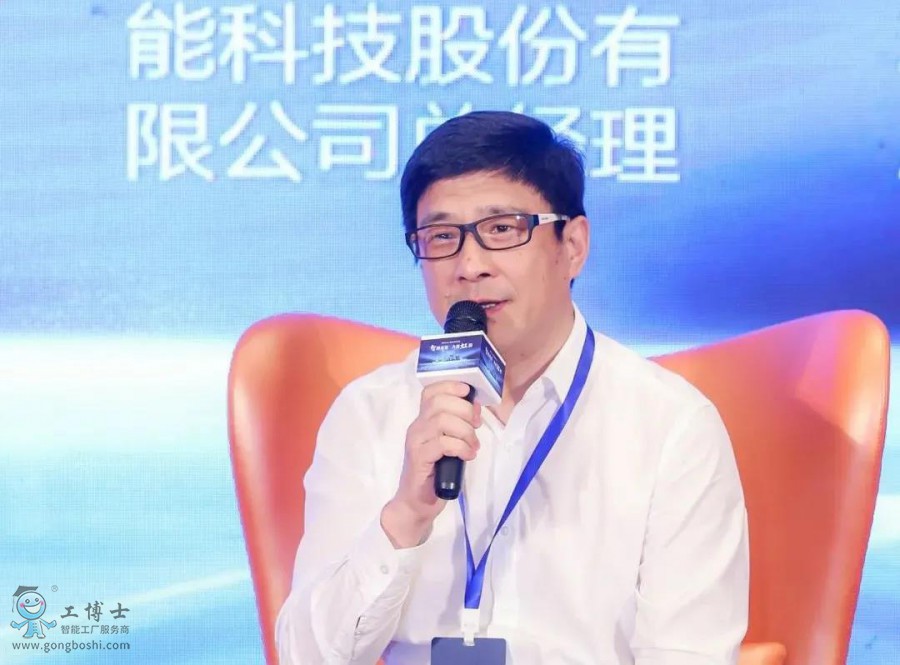
Yao Lei, General Manager of Shanghai Newboshi Intelligent Technology Co., Ltd., proposed that AI is the collaboration between humans and data. The scenarios we encounter are not covered by single machines alone. Future AI will involve more extensive IoT coverage of scenarios, such as using AI to manage office meeting room bookings, energy-saving power usage, etc.
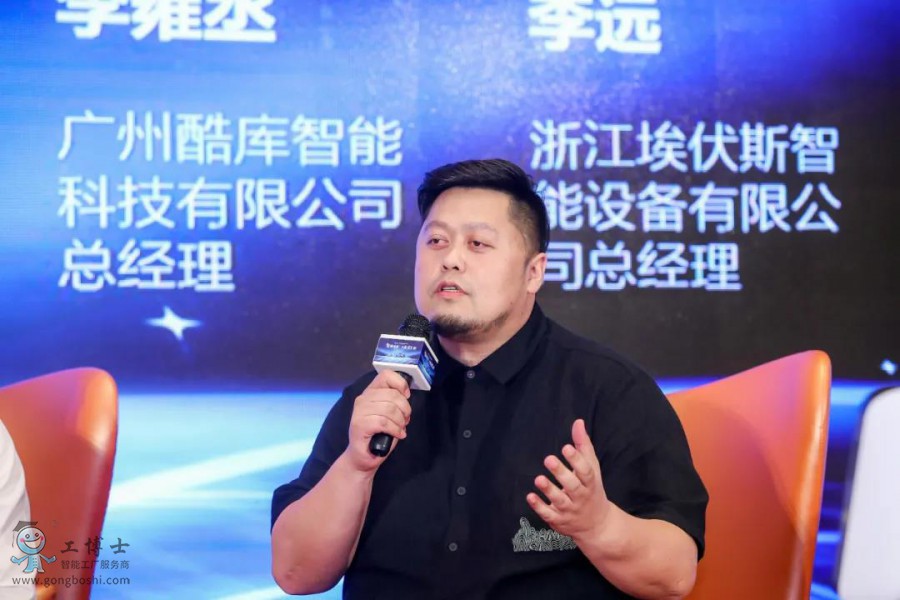
Li Yongcheng, Chairman of Guangzhou Kuku Intelligent Technology Co., Ltd., stated that the trend of AI is now showing initial signs. Benefiting from China's vast market, there are sufficient application scenarios for technology data collection, and the collected data can be fed back to enterprises.
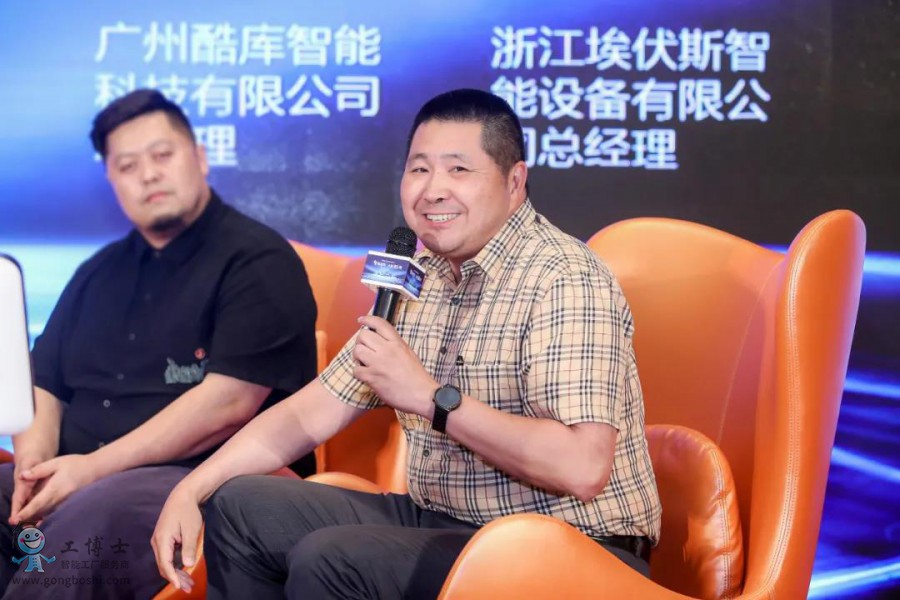
Li Yuan, General Manager of Zhejiang Aifusi Intelligent Equipment Co., Ltd., stated that the AI phase has already entered people's daily lives. A mature smart bubble tea shop has been established in Nanxiang, currently capable of using robots to replace staff in making tea. In the future, AI big data will be used to analyze customer preferences and other factors, creating a personalized "thousand faces for a thousand people" store experience.
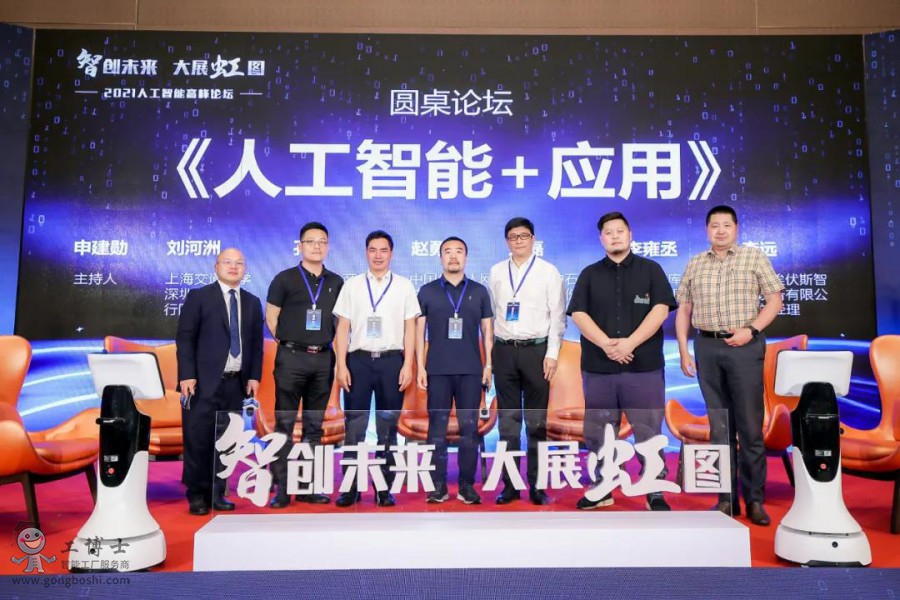
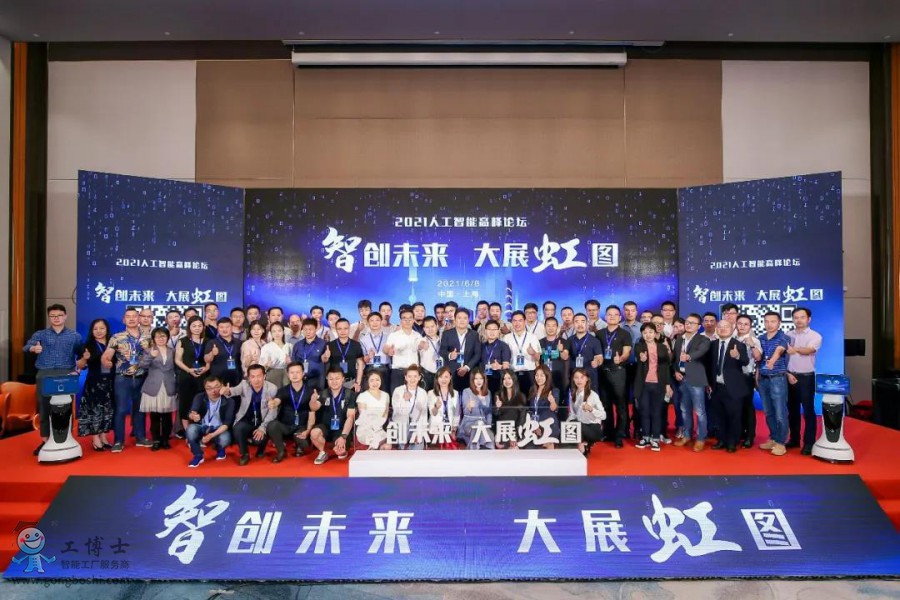
After the forum, participants gathered for a group photo to celebrate the successful conclusion of the conference.